Chauffeur Cost Toronto 2026
Most chauffeur companies make you ask for a price. We would rather publish ours, because the question people really want answered — “what will this cost me?” — is perfectly reasonable, and the answer should not depend on who picks up the phone. This page sets out every rate in our chauffeur hire programs for 2026, explains what is and is not included, and works through the most common examples so that you can estimate your own cost in a couple of minutes.
The short version: a chauffeur and business sedan is $155 an hour, a first-class sedan is $285, an SUV Business is $185, an SUV First is $235, and a chauffeur driving your own car is $95 an hour with a four-hour minimum in the city. Every one of those figures is in Canadian dollars and includes taxes and a 20% gratuity. There is nothing to add at the end except kilometres beyond the daily allowance and the few costs we pass through exactly as we pay them.
The four vehicle classes, and what each one is
Our hourly rates are set by vehicle class rather than by occasion, so the same car costs the same whether it is taking you to a board meeting or a hospital appointment. Every vehicle in these classes is four model years old or newer.
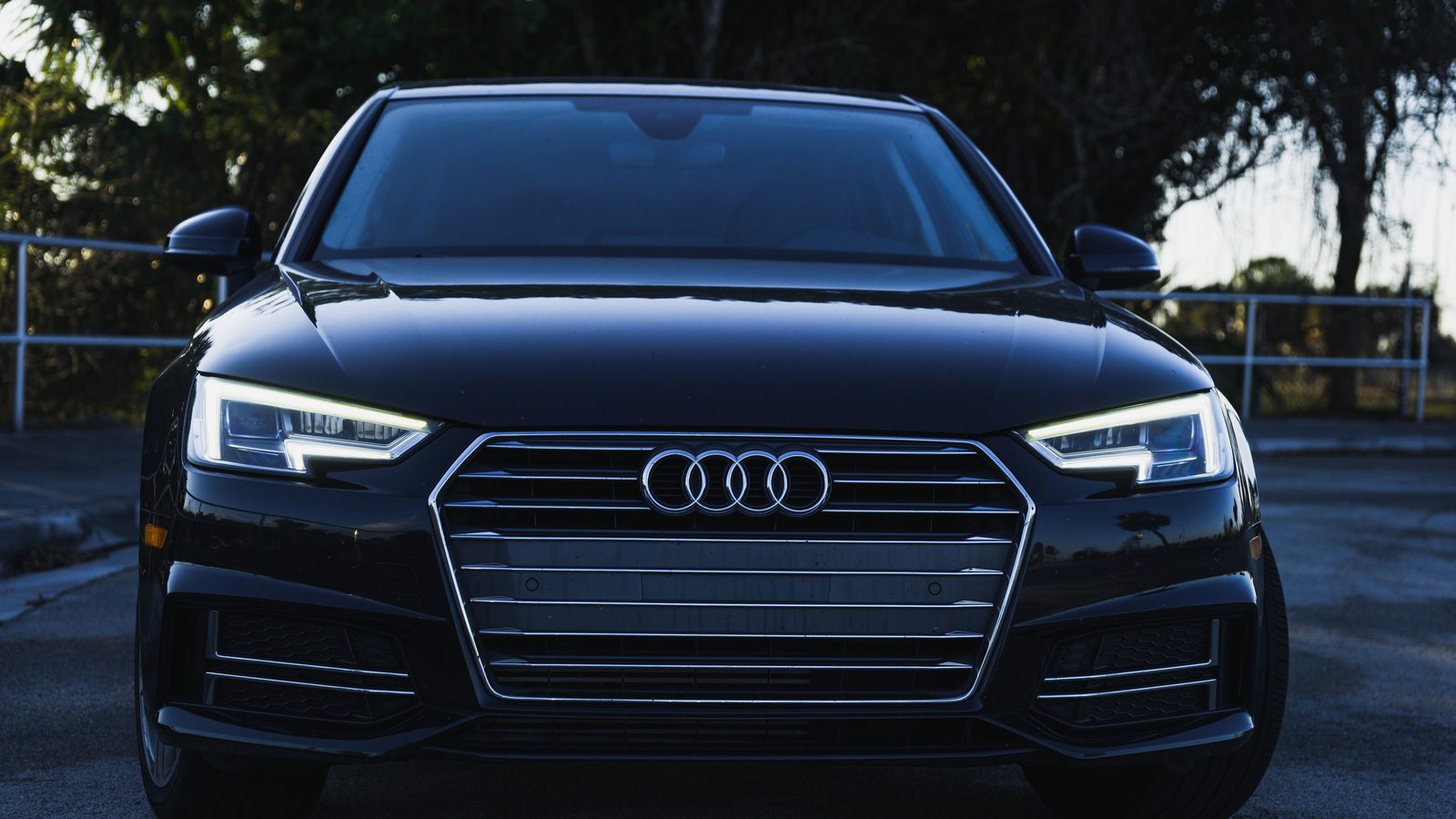
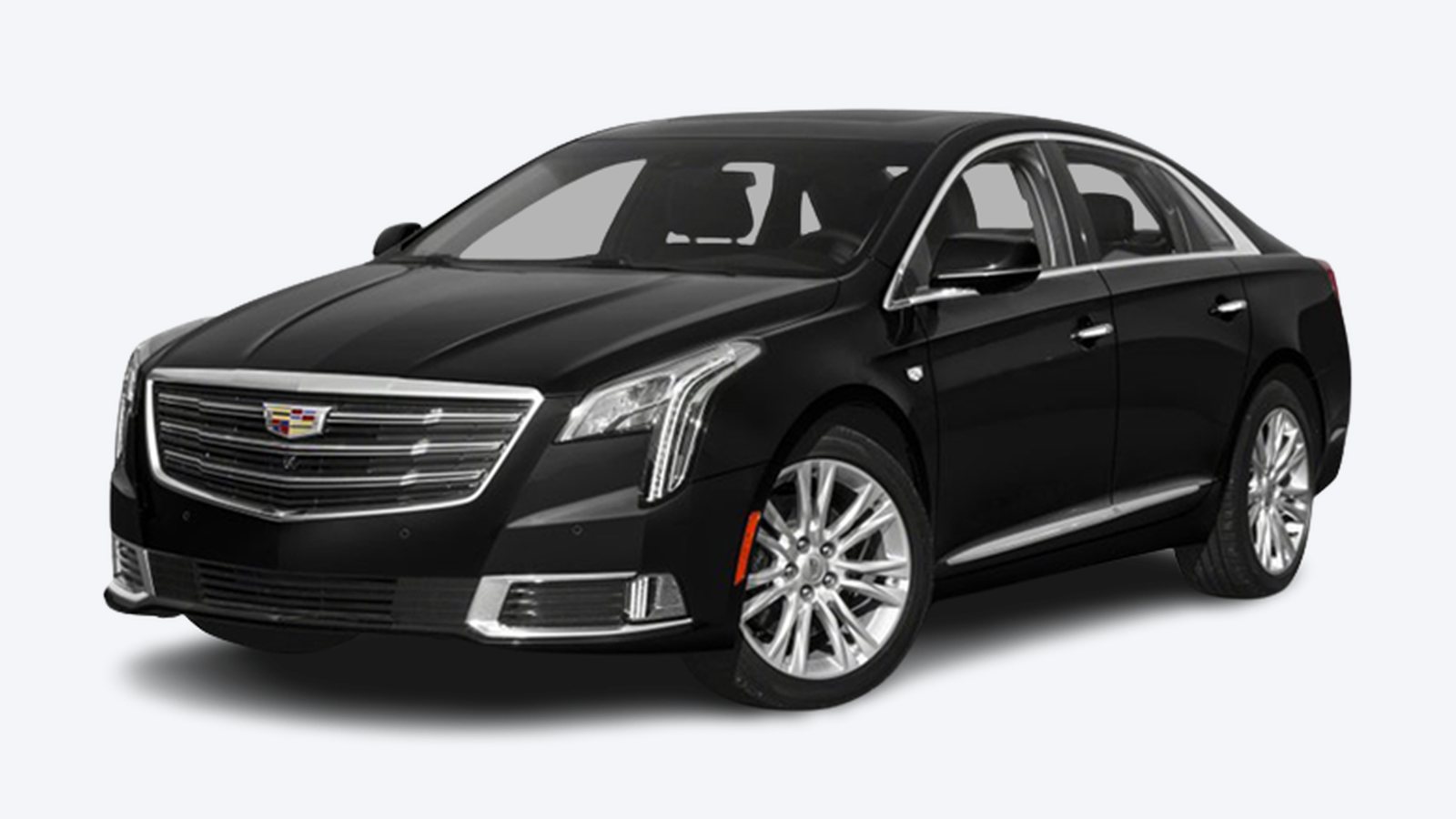
- Business sedan — $155 an hour. A Lexus ES, Cadillac CT5 or Cadillac Lyriq. The right car for one to three passengers with normal luggage, and by far the most common choice for everyday chauffeur work.
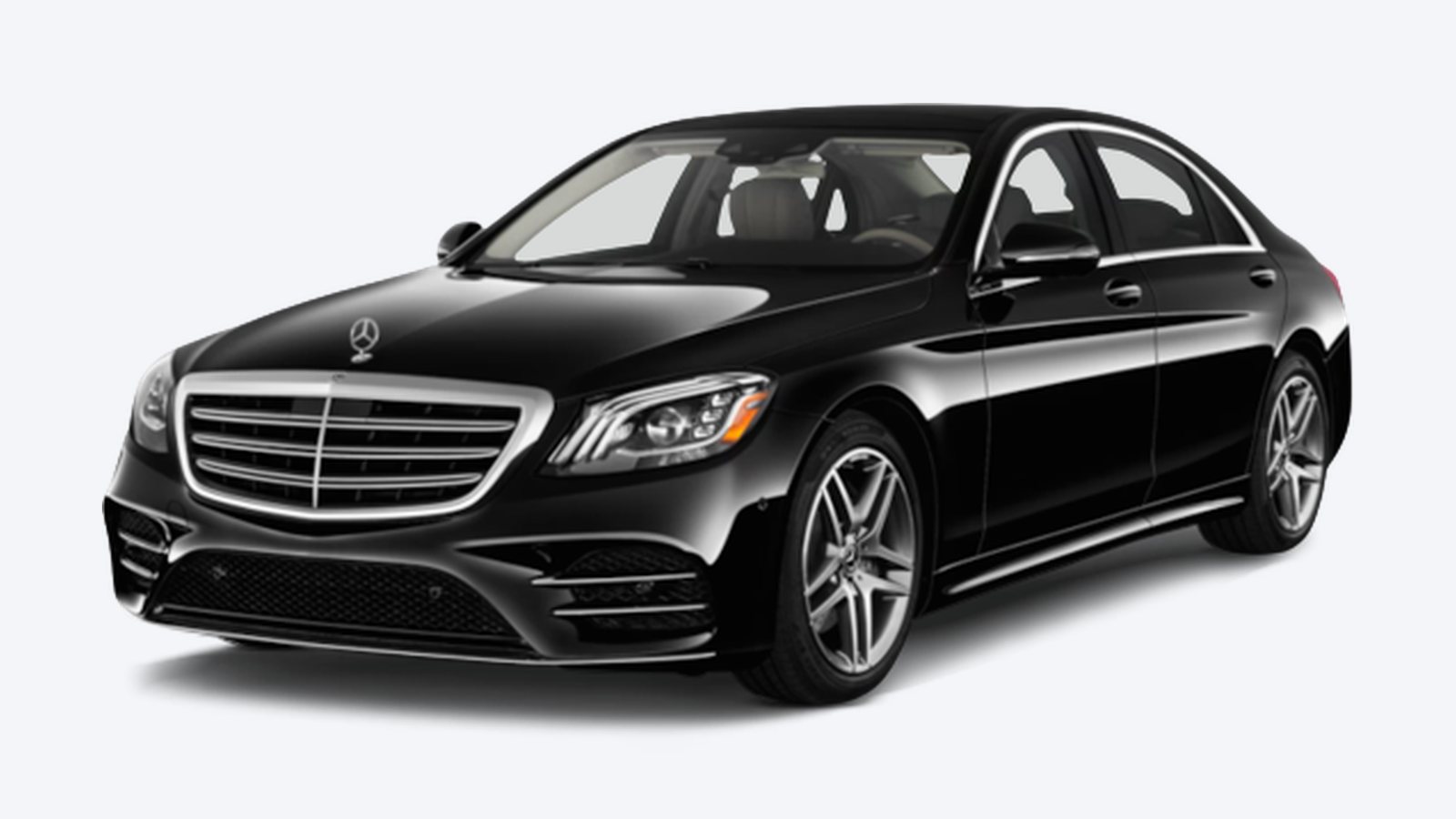
- First-class sedan — $285 an hour. A Mercedes-Benz S-Class, BMW 7 Series or Genesis G90. Long-wheelbase rear seats, a near-silent cabin and the car you choose when the back seat is a workplace or the arrival matters.
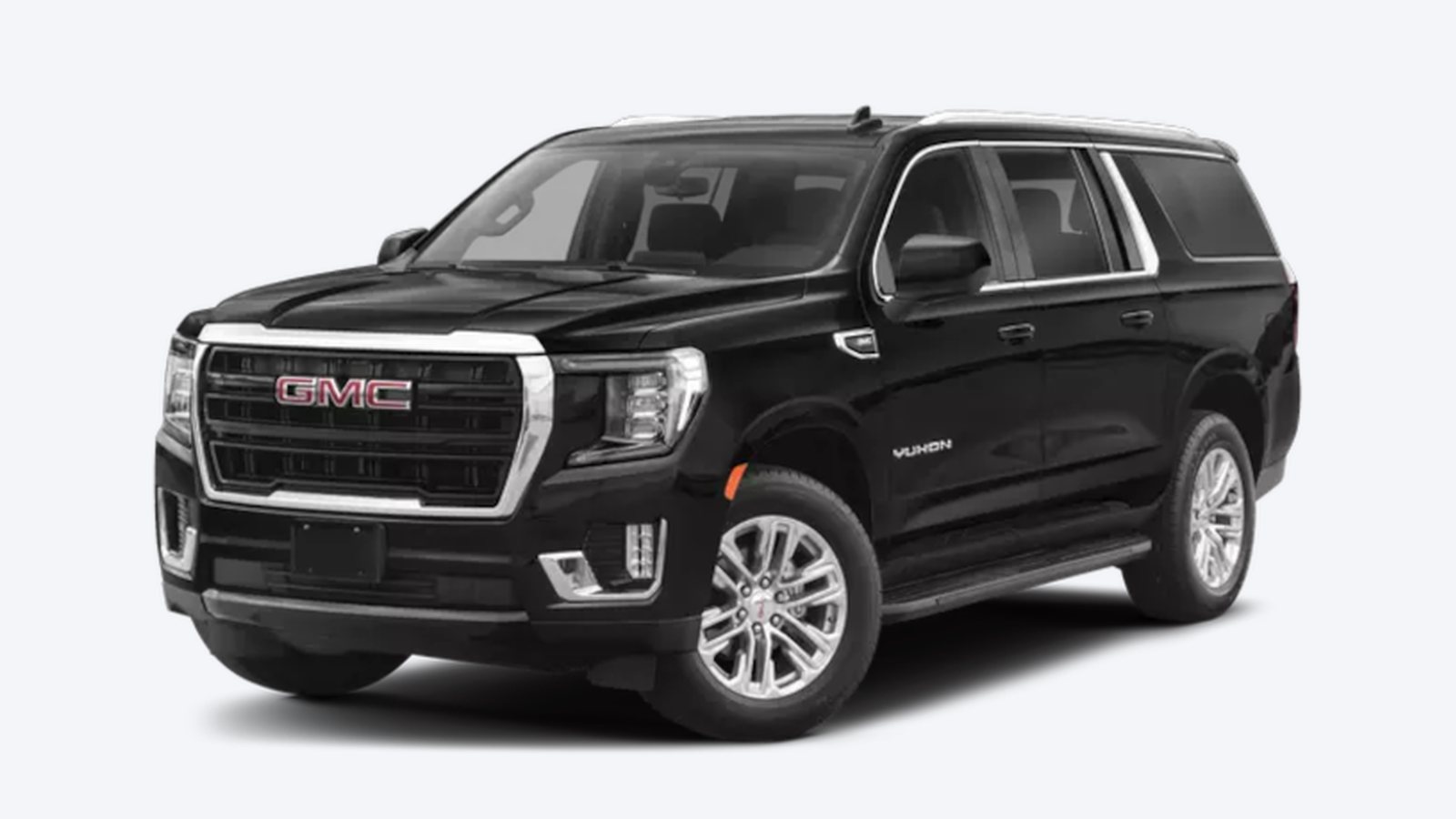
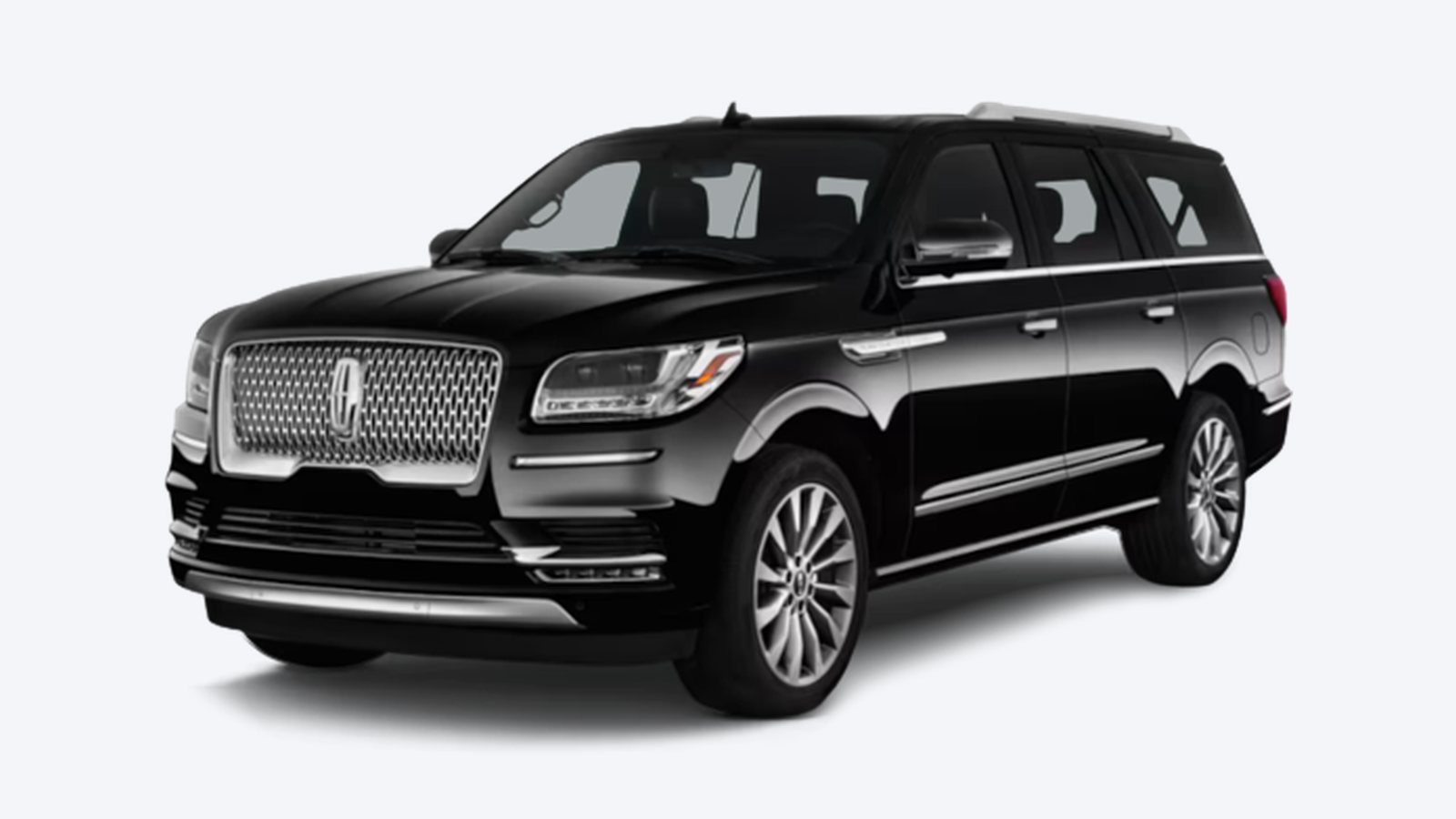
- SUV Business — $185 an hour. A Cadillac Escalade, Lincoln Navigator or GMC Yukon XL. Up to six passengers, room for luggage and the confidence of a full-size SUV on winter roads.
- SUV First — $235 an hour. A Cadillac Escalade ESV, Lincoln Navigator L or GMC Yukon Denali. The extended-length versions, with genuine third-row legroom and a full luggage bay behind it.
What “all-in” means on our rates
When we say all-in, we mean the hourly number already contains the two things that usually get added at the bottom of a chauffeur invoice: taxes and gratuity. The gratuity is a flat 20%, built into the rate and paid to the chauffeur, so you never have to calculate a tip at the kerb or wonder whether the driver expected more.
Each day of service also includes 150 km of driving. Over a normal Toronto day — a commute, a few meetings across the core, a run to Pearson — you will rarely come close. Beyond 150 km, extra kilometres are charged at $3 each in a business sedan, $4 each in either SUV and $8 each in a first-class sedan.
The costs we pass through at cost
A few costs swing so much from one day to the next that folding them into the hourly number would be guesswork, so they are recharged at precisely what they cost us, with no mark-up, itemised on the invoice:
- Tolls — most often the 407 ETR across the north of the city, which can save a great deal of time when the 401 is jammed.
- Parking — at Pearson and Billy Bishop, at hotels, at venues and anywhere else the chauffeur has to wait with the vehicle.
- In-car Wi-Fi — when you ask for a mobile hotspot in the vehicle.
That is the complete list. There is no fuel surcharge, no booking fee, no “late-night premium” and no charge for running over your planned time beyond the same hourly rate you were already paying.
What a chauffeur costs for a day
A day is simply hours multiplied by the rate. For a typical ten-hour day inside the city, all-in:
- Business sedan: $1,550
- SUV Business: $1,850
- SUV First: $2,350
- First-class sedan: $2,850
- Our chauffeur driving your car: $950
An eight-hour day in a business sedan is therefore $1,240; six hours in an SUV Business is $1,110. Add tolls and parking at cost, and kilometres only if the day goes beyond 150 km.
What a chauffeur costs for a month or a year
Monthly service is sold in reserved blocks of 40, 80, 120 or 220 hours at the same hourly rate — there is no bulk discount, and we say so plainly because some companies advertise one and recover it elsewhere. Forty hours in a business sedan is $6,200 a month; 220 hours, the full-time equivalent, is $34,100. In an SUV Business the same blocks are $7,400 and $40,700. The full table is below.
Unused hours and kilometres expire at month-end rather than rolling forward — other bookings were declined so that your chauffeur and vehicle stayed free that month. A yearly contract uses the same blocks with the hourly rate locked for twelve months, which is what most finance teams prefer when they are setting next year's budget.
Out-of-town work
When a booking leaves our regular Toronto and GTA service area — a day in London or Kingston, a weekend at a Muskoka cottage, a site visit in Windsor — the hourly rate for that time is 50% higher, and the chauffeur's hotel and a flat $100 travel allowance are added. The out-of-town hourly rates are therefore $232.50 for a business sedan, $277.50 for an SUV Business, $352.50 for an SUV First, $427.50 for a first-class sedan and $142.50 for a chauffeur driving your car. The same rule applies whether the vehicle is ours or yours.
Vehicles priced by quote
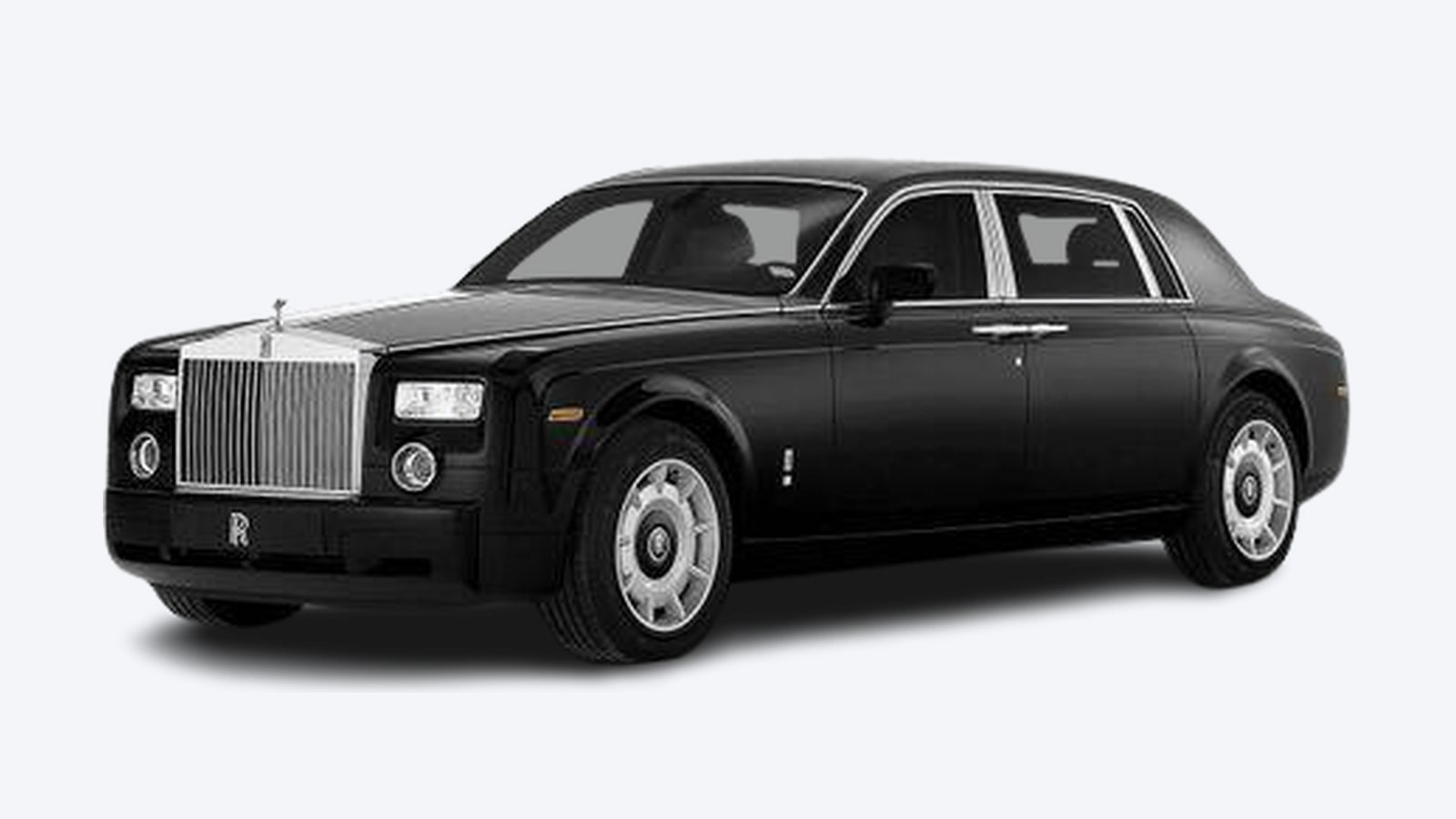
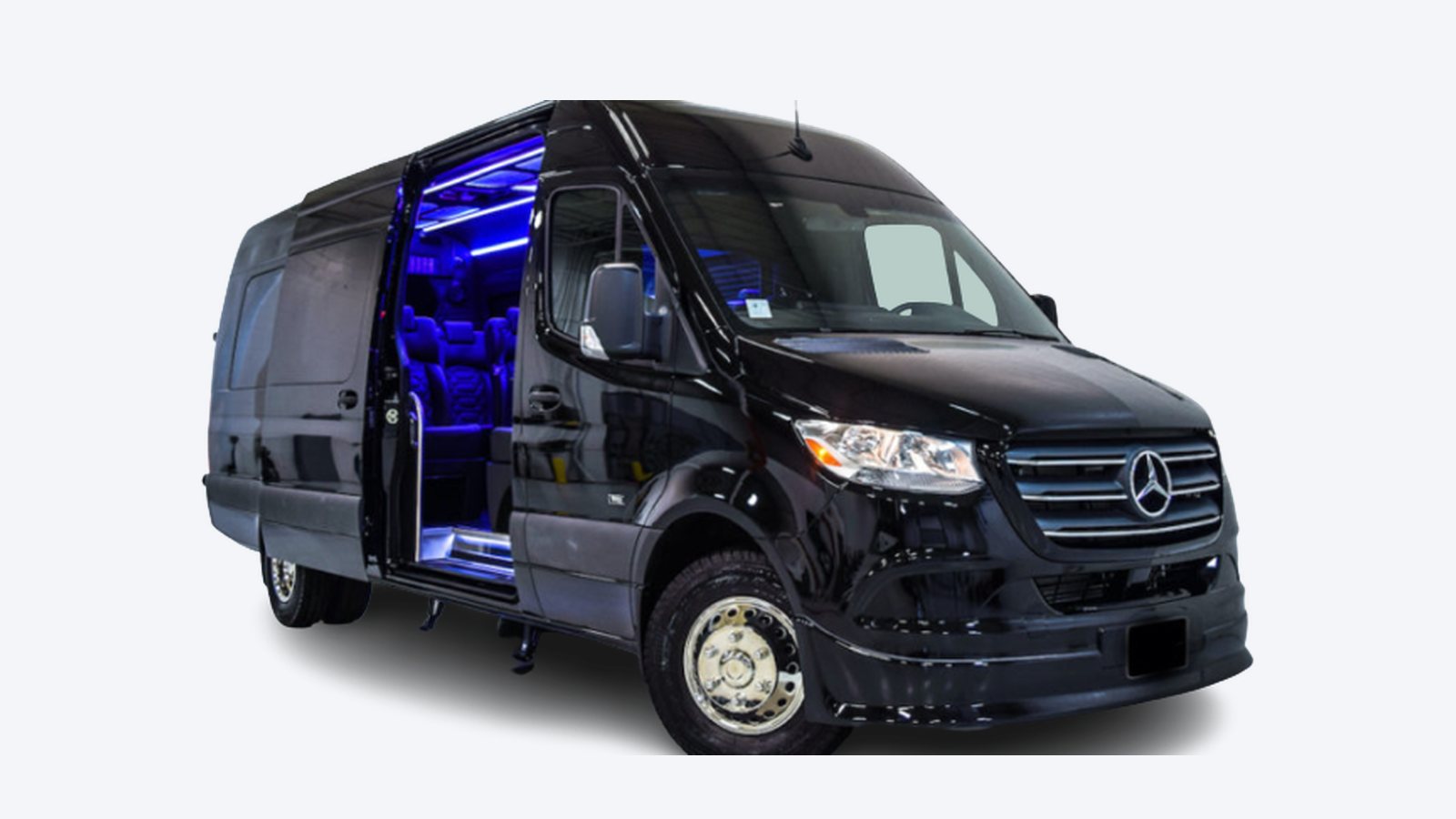
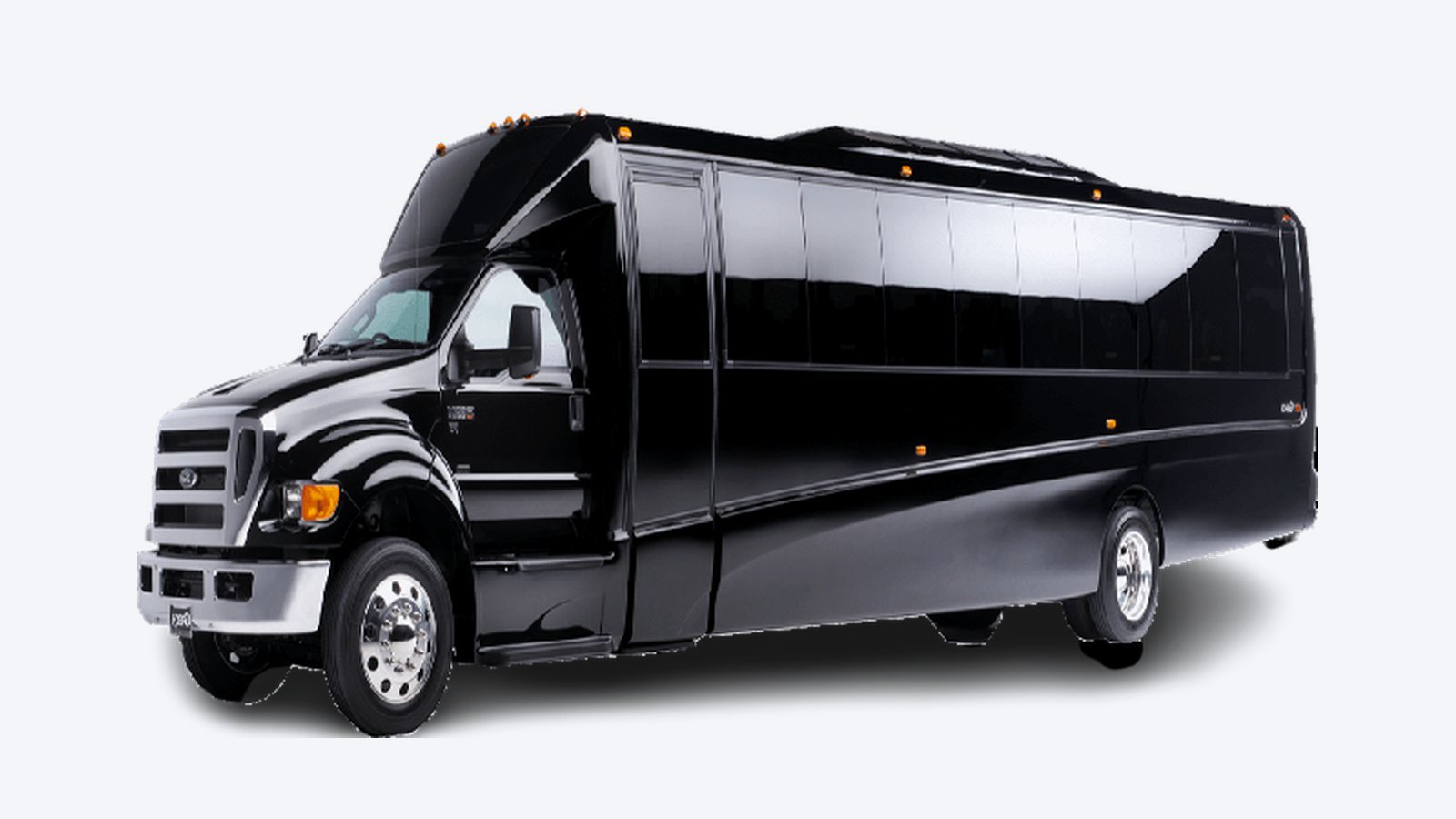
Four kinds of vehicle are priced per itinerary rather than by the hour, because availability, distance and duration change the cost too much for a single rate to be fair: ultra-luxury cars such as a Rolls-Royce or Mercedes-Maybach, a 14-seat Executive Sprinter, the Jet Sprinter with its lounge interior, and minicoaches and motorcoaches for larger groups. Send us the dates, addresses and group size and you receive one fixed quote, all-in on the same basis — taxes and a 20% gratuity included. See Jet Sprinter and coach hire for details.
Three quick ways to estimate your own cost
If you only need a ballpark, three rules of thumb get you there. For a single day, multiply the hours by the rate for your vehicle class and add any parking. For a regular need, pick the monthly block closest to an ordinary month — 40, 80, 120 or 220 hours — and multiply it by the rate. For a trip outside the city, add 50% to the out-of-town hours and include a flat $100 travel allowance plus a hotel night if the chauffeur stays over.
How these rates compare with other ways of getting around
A chauffeur is not the cheapest way to cross Toronto, and we are not going to pretend otherwise. What you are paying for is a licensed, insured, professional chauffeur and a vehicle reserved for you — under the City of Toronto's vehicle-for-hire licensing — rather than whichever car happens to be nearest. Compared with employing a driver directly, the arithmetic usually favours a chauffeur service for anything short of full-time use once salary, holiday pay, cover and a vehicle are counted; Ontario's Employment Standards Act guide lists the employer obligations if you want to run that comparison yourself. For insurance questions on your own car, the Insurance Bureau of Canada is the clearest independent source.
If any part of a quote you have received elsewhere is unclear — a gratuity added on top, a fuel surcharge, a minimum you were not told about — ask us to price the same trip. You will get one number, and it will be the number on the invoice.